

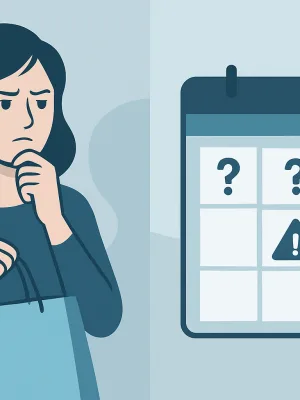
In recent years, the 'Buy Now, Pay Later' (BNPL) trend has gained significant traction among consumers, particularly in the United States. This payment method allows shoppers to purchase goods and pay for them over time with little to no interest. However, as its popularity surged, so has the scrutiny surrounding its potential pitfalls. This article delves into why a growing number of shoppers are rethinking the BNPL trend, highlighting the benefits, challenges, and future implications for both consumers and retailers.
Advertisements
Understanding 'Buy Now, Pay Later'
The BNPL model is relatively straightforward: consumers can buy products immediately and defer payments through installments. Popular providers like Afterpay, Klarna, and Affirm have capitalized on the increasing demand for flexible payment options, making BNPL a staple in online and brick-and-mortar retail environments. The appeal lies in its simplicity and the promise of no interest fees, provided payments are made on time.
The Rise of BNPL's Popularity
Several factors have contributed to the swift rise of BNPL services. First, the digital transformation of retail has made online shopping more accessible, encouraging consumers to seek convenient payment solutions. Secondly, the financial strain induced by the COVID-19 pandemic led many consumers to look for alternative methods to manage their finances without accruing high-interest debt from credit cards. Lastly, the appeal of spreading payments without incurring interest has been particularly attractive to younger consumers, especially millennials and Gen Z, who are often wary of traditional credit.
The Backlash Begins
Despite its widespread adoption, the BNPL model has not been without criticism. A growing number of consumers and financial experts are expressing concerns about its potential downsides, leading to what many are calling a 'Buy Now, Pay Later' backlash.
The Illusion of Affordability
One of the major criticisms of BNPL services is that they can create an illusion of affordability. By breaking down payments into smaller, manageable amounts, consumers might be tempted to spend beyond their means. This behavior can lead to overconsumption and, ultimately, financial strain if individuals fail to keep track of their numerous payment plans.
Hidden Costs and Penalties
While BNPL promises no interest, this is contingent on timely payments. Late fees and penalties can accumulate quickly, transforming a seemingly harmless purchase into a costly endeavor. For some, these fees can rival, or even surpass, those of traditional credit card interest rates. The lack of transparency regarding these potential costs has been a significant point of contention among critics.
Impact on Credit Scores
Another factor causing shoppers to reconsider BNPL is its potential impact on credit scores. Unlike credit card companies, which report to credit bureaus regularly, not all BNPL providers have the same level of reporting. This inconsistency can prevent consumers from building their credit history effectively. Moreover, missed payments can still negatively impact credit scores, creating a false sense of security for users who may not fully understand the repercussions.
Regulatory Concerns
The rapid expansion of BNPL services has caught the attention of regulators, who are concerned about consumer protection and the need for clear regulatory frameworks. In the United States, regulatory bodies are exploring ways to ensure these services are transparent and fair. There is a growing call for BNPL providers to be more upfront about fees, potential penalties, and the impact on credit scores, ensuring consumers can make informed decisions.
The Future of BNPL
Despite the backlash, the BNPL trend is unlikely to disappear anytime soon. Instead, it is expected to evolve in response to consumer demand and regulatory pressures.
Adaptation by BNPL Providers
In light of the criticisms and regulatory scrutiny, BNPL providers are starting to adapt their models. Some are offering more transparent terms, clearer information on fees, and improved customer support. Additionally, there is a push towards integrating BNPL with financial wellness tools, helping consumers manage their spending more effectively.
The Role of Retailers
Retailers also play a crucial role in the future of BNPL. As partners in the payment process, they must ensure that their customers understand the terms and conditions associated with these payment plans. By fostering transparency and promoting responsible spending, retailers can help mitigate the backlash and enhance consumer trust.
Conclusion
The 'Buy Now, Pay Later' trend has undeniably transformed the way consumers approach shopping and payments. However, as its popularity has grown, so too has the scrutiny and backlash against its potential pitfalls. While BNPL offers undeniable benefits, such as flexibility and interest-free installments, consumers must remain vigilant about the risks of overspending and hidden costs. As the payment landscape continues to evolve, both BNPL providers and retailers must prioritize transparency and consumer education to ensure that this payment method serves as a beneficial tool rather than a financial burden. By doing so, they can help consumers make more informed decisions and foster a healthier financial ecosystem.