

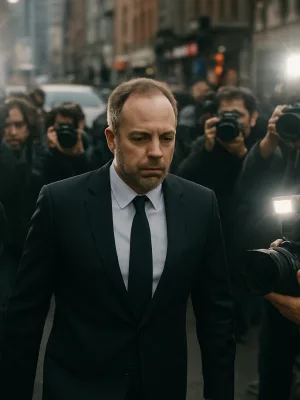
In recent news, Prince Harry and Meghan Markle have voiced strong condemnation against the paparazzi following a recent photo incident that has once again highlighted the ongoing challenges faced by public figures in maintaining privacy. This article aims to provide an educational insight into the dynamics of privacy, media intrusion, and the legal landscape surrounding celebrity rights, particularly focusing on the high-profile experiences of the Duke and Duchess of Sussex.
Advertisements
The Incident: A Breach of Privacy
The latest incident involved unauthorized photographs taken of Prince Harry and Meghan Markle during a private moment. The couple, who have frequently been in the media spotlight, expressed their displeasure over what they consider an invasion of their privacy. The incident serves as a stark reminder of the intrusive nature of paparazzi, who often operate on the fringes of legality to capture exclusive shots of celebrities.
The couple's response was swift and assertive. In a public statement, they condemned the actions of the paparazzi, emphasizing the distress and potential danger such invasions can cause. This incident adds to a series of similar situations they have faced, further fueling their ongoing struggle for privacy and respect in the public domain.
Historical Context: Royal Family and Media Relations
The relationship between the British Royal Family and the media has always been complex. Historically, the Royals have been a subject of intense public scrutiny, with every move documented and analyzed. Prince Harry and Meghan Markle, however, have taken a notably different stance compared to their predecessors. Their approach to media relations is more direct, often challenging the narratives and demanding accountability from media outlets.
This proactive stance can be traced back to their decision to step down as senior members of the Royal Family in 2020, a move partly motivated by the desire to escape the relentless media scrutiny they faced in the UK. Their relocation to the United States was intended to provide a fresh start and greater control over their public image. However, as the recent incident demonstrates, escaping media attention is no simple task.
Legal Framework: Rights to Privacy
The legal landscape surrounding privacy rights for public figures is complex and varies significantly across different jurisdictions. In the United States, the balance between freedom of the press and an individual's right to privacy is a contentious issue. The First Amendment provides strong protections for the press, often making it challenging for public figures to shield themselves from unwanted media attention.
However, there are legal recourses available. Celebrities can file lawsuits for invasion of privacy, particularly when it involves intrusion upon seclusion or the public disclosure of private facts. In some instances, restraining orders or legal settlements may also be pursued to prevent further harassment.
Prince Harry and Meghan's ongoing legal battles against various media outlets underscore their commitment to defending their privacy rights. They have been involved in several high-profile lawsuits aimed at curbing the publication of intrusive content and holding media organizations accountable for their actions.
The Impact of Paparazzi Culture
Paparazzi culture has long been criticized for its aggressive tactics and disregard for personal boundaries. The pursuit of exclusive content often leads to dangerous situations, both for the celebrities and the photographers involved. In extreme cases, this relentless pursuit has resulted in tragic outcomes, such as the death of Princess Diana in 1997, which was partly attributed to being chased by paparazzi.
The incident involving Prince Harry and Meghan Markle is a stark reminder of the potential consequences of unchecked media behavior. It raises important questions about the ethical responsibilities of the press and the need for more stringent regulations to protect individuals from undue intrusion.
Public Reaction and Support
The public reaction to the incident has been mixed. While many sympathize with Prince Harry and Meghan's plight, recognizing the undue stress such invasions can cause, others argue that public figures should expect a certain level of media attention as part of their celebrity status. Nonetheless, there is a growing acknowledgment of the need for a more respectful and ethical approach to celebrity journalism.
Supporters of the couple have rallied behind them, advocating for increased awareness and changes in how media outlets operate. Social media platforms have become a battleground for these discussions, with hashtags and campaigns calling for better protection of privacy rights for public figures gaining traction.
Conclusion
The recent photo incident involving Prince Harry and Meghan Markle is a poignant example of the ongoing struggle between public figures and the paparazzi. While the couple continues to advocate for their privacy, the broader implications of their battle resonate with many who are concerned about the ethical boundaries of media practices. As public discourse evolves, it is crucial for society to balance the right to freedom of the press with an individual's right to privacy, ensuring that the media landscape is both responsible and respectful.
In conclusion, the incident serves as a catalyst for ongoing discussions about privacy rights, media accountability, and the need for reform in paparazzi practices. As Prince Harry and Meghan Markle continue to navigate their public lives, their experiences offer valuable insights into the challenges faced by celebrities worldwide and the importance of safeguarding personal boundaries in an increasingly intrusive media environment.