

Introduction
Paris Hilton, the well-known socialite, businesswoman, and media personality, recently made headlines for defending her daughter's Halloween costume. The costume, inspired by the classic tale "Beauty and the Beast," sparked both admiration and controversy, prompting Hilton to respond publicly. This article delves into the intricacies of the situation, exploring the cultural context of Halloween costumes, the implications of public figures influencing societal norms, and the broader conversation on children's costumes and representation.
Advertisements
The Controversial Costume
The Costume in Question
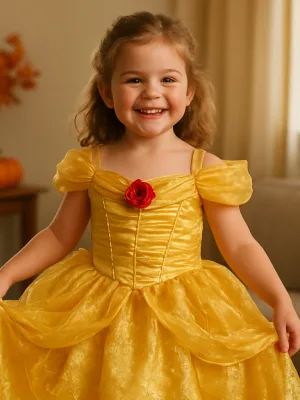
Paris Hilton's daughter, donned in a "Beauty and the Beast" themed costume, was the center of attention during this year's Halloween festivities. Designed to reflect the elegance and charm of the beloved Disney character Belle, the costume was adorned with intricate details such as golden embroidery and layers of tulle, reminiscent of the character's iconic yellow ball gown. Vibrant colors brought the ensemble to life, and a carefully styled hairstyle completed the look, making it a truly magical costume. However, what was meant to be a playful nod to a timeless story turned into a subject of public debate, illustrating how even innocent choices can become controversial in today's scrutinizing society.
Public Reaction
The reaction to the costume was polarizing. On one hand, many fans and parents appreciated the creativity and effort put into replicating such an iconic character. Supporters praised Hilton for embracing the magic of Halloween and allowing her daughter to express her admiration for a beloved story. They argued that Halloween is a time for fantasy and should be enjoyed without the burden of adult concerns. On the other hand, critics argued that such costumes perpetuate certain stereotypes and raise questions about cultural sensitivity and appropriateness in children's attire. Some claimed that the character of Belle, while beloved, comes from a narrative entrenched in Eurocentric ideals that might not represent a broader spectrum of cultures.
Paris Hilton's Defense
A Mother's Perspective
Paris Hilton defended her daughter's choice of costume by emphasizing the importance of allowing children to express themselves freely and creatively. In a statement, Hilton explained that Halloween is a time for imagination and fun, where children can explore different characters and stories without fear of judgment. She noted that her daughter was simply engaging with a character she loved, and Halloween provided the perfect opportunity to make that fantasy a reality. Hilton highlighted that the costume was chosen with the intention of celebrating a cherished narrative, rather than offending or misrepresenting any culture. She reinforced the idea that childhood should be a time of wonder and exploration.
Addressing Stereotypes and Cultural Sensitivity
Hilton also addressed concerns about stereotypes, asserting that the costume was intended to honor a fictional character rather than adhere to any cultural or ethnic stereotypes. She urged the public to view the costume through the lens of storytelling and fantasy, rather than as a commentary on societal issues. This stance raises important questions about the balance between cultural appreciation and appropriation, particularly in the context of children's costumes. Hilton argued that while cultural sensitivity is important, it should not stifle creative expression, especially in young children who are still learning about the world around them.
The Broader Conversation
Halloween Costumes and Cultural Representation
The controversy surrounding Hilton's daughter's costume is part of a larger conversation about cultural representation in Halloween costumes. As society becomes increasingly aware of cultural sensitivity, the choices parents make for their children's costumes are scrutinized more than ever. This has led to a growing emphasis on ensuring that costumes do not perpetuate harmful stereotypes or offend specific communities. For instance, costumes that mimic traditional attire from various cultures are often critiqued for not accurately representing the heritage and significance behind them, sparking debates about where the line between appreciation and appropriation lies.
The Role of Public Figures
Public figures like Paris Hilton play a significant role in shaping societal norms and perceptions. Their actions and statements can influence public opinion and spark important discussions about cultural practices and sensitivities. As such, Hilton's defense of her daughter's costume not only reflects her personal beliefs but also contributes to the ongoing dialogue about cultural representation and the responsibilities of public figures. By standing firm in her defense, Hilton encourages a broader discourse on how public personas can navigate personal choices in a way that acknowledges cultural sensitivities while still promoting individual freedom.
Conclusion
Paris Hilton's defense of her daughter's "Beauty and the Beast" Halloween costume underscores the complex interplay between cultural expression, public perception, and societal norms. While Halloween remains a time for creativity and fun, it also serves as a reminder of the importance of cultural sensitivity and awareness. As the conversation about children's costumes and representation continues, it is crucial for parents, public figures, and society as a whole to strike a balance between imaginative play and respectful representation.
By advocating for her daughter's right to express herself through costume, Hilton has highlighted the need for open dialogue and understanding in navigating these sensitive issues. The story serves as a reminder that while costumes can be a source of joy and creativity, they also carry the power to influence perceptions and spark meaningful conversations about culture and identity. Public figures like Hilton have the platform to lead these discussions, paving the way for a more inclusive approach to cultural representation in all forms of expression.