

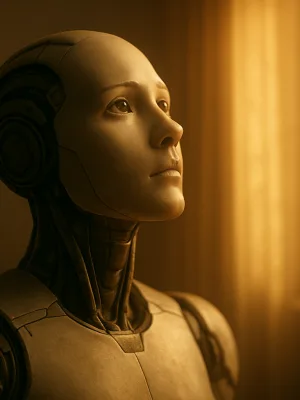
Introduction to "Klara and the Sun"
"Klara and the Sun" is a captivating novel by the Nobel Prize-winning author Kazuo Ishiguro, renowned for his profound storytelling and exploration of human emotions. The novel, released in March 2021, delves into themes of artificial intelligence, companionship, and the essence of humanity through the eyes of an Artificial Friend named Klara. With its compelling narrative and philosophical undertones, "Klara and the Sun" has intrigued readers and critics alike, making it a prime candidate for a screen adaptation.
Advertisements
The Adaptation Announcement
In an exciting development for both literature and film enthusiasts, "Klara and the Sun" is now being adapted into a film, with the talented Jenna Ortega taking on the lead role. This adaptation promises to bring Ishiguro's poignant tale to a broader audience, merging the worlds of literature and cinema in a way that highlights the novel's unique perspective on technology and human connection. With Jenna Ortega's rising star power and nuanced acting skills, the adaptation is set to captivate audiences and provide a fresh interpretation of Ishiguro's work.
Casting Jenna Ortega as Klara
Jenna Ortega, known for her compelling performances in various film and television roles, has been chosen to portray Klara, the novel's empathetic and observant protagonist. Ortega's ability to convey complex emotions and her dedication to her craft make her an ideal choice to bring Klara's character to life. As an Artificial Friend, Klara is designed to provide companionship to children, yet she possesses an uncanny ability to understand and reflect on human behavior. Ortega's portrayal is expected to capture Klara's innocence, curiosity, and emotional depth, drawing viewers into her journey of self-discovery and understanding.
Themes Explored in "Klara and the Sun"
Artificial Intelligence and Humanity
One of the central themes of "Klara and the Sun" is the exploration of artificial intelligence and its relationship with humanity. Ishiguro's narrative raises thought-provoking questions about what it means to be human and the ethical implications of creating sentient machines. Through Klara's eyes, the audience is invited to ponder whether artificial beings can truly understand and experience emotions, and if they can, how this challenges our notions of consciousness and identity.
Companionship and Isolation
The novel also delves into the themes of companionship and isolation, particularly in the context of a technologically advanced society. Klara, designed to be a companion, observes the complexities of human relationships and the loneliness that often accompanies them. This theme is particularly relevant in today's world, where technology increasingly mediates social interactions, and individuals seek connection through screens rather than face-to-face communication.
The Essence of Love
Another significant theme in "Klara and the Sun" is the exploration of love and its multifaceted nature. Klara's journey is marked by her desire to understand love, both as an emotion and as a driving force in human actions. The novel examines the different forms love can take, from familial bonds to romantic relationships, and questions whether artificial beings are capable of experiencing love in a meaningful way.
The Impact of the Adaptation
The adaptation of "Klara and the Sun" into a film is poised to make a significant impact on both the literary and cinematic worlds. By bringing Ishiguro's thought-provoking narrative to the screen, the adaptation has the potential to reach a wider audience and spark discussions about the themes it explores. Jenna Ortega's involvement adds a layer of excitement and anticipation, as her performance is likely to resonate with viewers and bring depth to Klara's character.
A New Audience for Ishiguro's Work
The film adaptation presents an opportunity to introduce Kazuo Ishiguro's work to those who may not be familiar with his novels. While his literary contributions have garnered critical acclaim, the film adaptation can serve as an accessible entry point for audiences to explore Ishiguro's storytelling and themes. This cross-medium exposure can lead to increased interest in his other works, such as "Never Let Me Go" and "The Remains of the Day," further solidifying his legacy as a masterful storyteller.
Technological and Philosophical Reflections
The adaptation also offers a chance to reflect on contemporary issues related to technology and human interaction. As society grapples with the implications of artificial intelligence and its integration into daily life, "Klara and the Sun" provides a narrative framework to explore these questions. The film's visual and emotional portrayal of Klara's journey can prompt viewers to consider their own relationships with technology and the ethical considerations that accompany advancements in artificial intelligence.
Conclusion
"Klara and the Sun," with its profound exploration of artificial intelligence, love, and human connection, is a novel that resonates deeply with modern audiences. The upcoming film adaptation, starring Jenna Ortega, promises to bring Ishiguro's thought-provoking story to life on the big screen, offering a fresh perspective on the themes it addresses. As audiences await the release of this adaptation, the anticipation builds for a cinematic experience that will not only entertain but also inspire reflection on the nature of humanity and the role of technology in our lives. With its powerful narrative and stellar cast, "Klara and the Sun" is set to become a significant cultural touchstone, bridging the gap between literature and film in a meaningful way.