

The trend of trying new releases before they hit stores
Advertisements
See How Shoppers Request Their Test Items
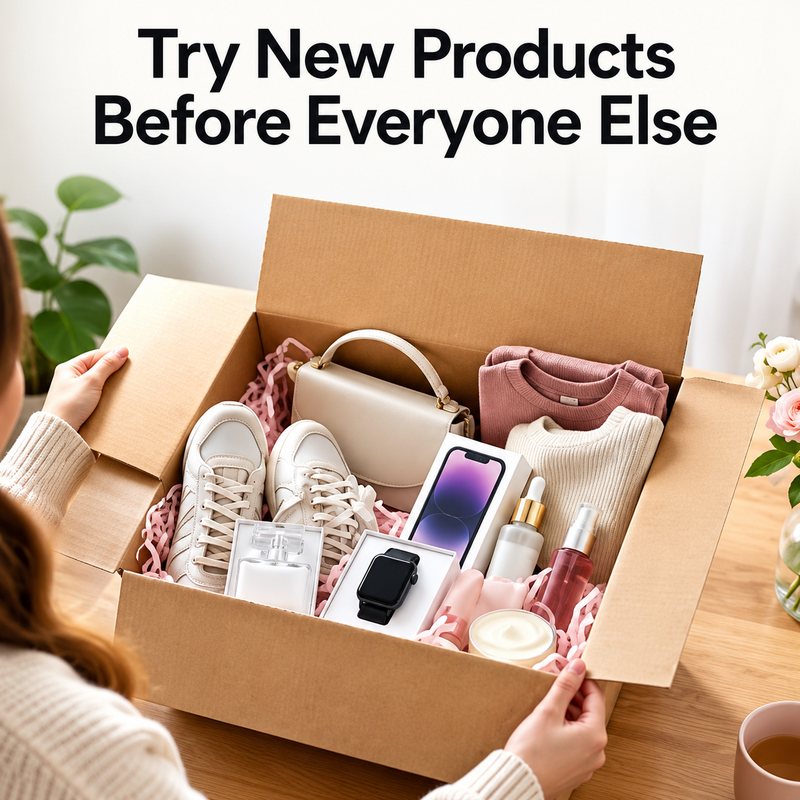
One of the fastest-growing shopping trends has nothing to do with discounts. Brands are sending new products to regular customers before launch day, and the only thing they ask in return is a sincere review. It’s called product testing, and while its popularity keeps climbing, most people still don’t know how it works.
In the sections below, you’ll find how these rounds are set up, how requests are usually made, and the everyday habits that help some testers get invited over and over.
SEE HOW TO GET STARTED 🔥You will stay on the same site
🔥 Why Certain Testers Keep Getting Invited
For a brand, a good tester is someone whose opinion is easy to act on. People with detailed profiles who stay engaged and write thoughtful reviews are usually the ones who receive new invitations.
There is never a guarantee of being selected. Every company decides based on its own goals, stock and applicants. The good news: small, repeatable actions tend to move the needle, yet newcomers often quit too early to notice.
How These Testing Rounds Are Organized
From clothing labels to beauty, electronics and home brands, many companies open testing rounds several times a year. The steps are usually alike:
- The company opens a round with a set of products
- You select the ones that interest you and put in a request
- When approved, the item is delivered to your home
- After trying it, you share an honest review
Perks that usually come with it:
- ✔ Free Participation: Official programs from brands generally don’t cost anything to join.
- ✔ Early Releases: You can often try products before they are widely available.
- ✔ Return Invites: Brands like calling back people who respond reliably.
- ✔ A Voice in the Product: Your feedback helps brands decide what to change or keep.
💡 Quick Safety Tip
Send requests only from the company’s own site or its official app. Legitimate programs never charge you to “unlock” a free product or ask for your card to ship a sample. If a site does, close the page and move on.
Four Habits That Raise Your Chances
Putting in a request is quick. The real difference comes from what you do next:
- Build a Complete Profile: Include your sizes, tastes and interests so brands know which products suit you.
- Check Back Every Week: New rounds often open weekly, so regular visits mean more chances to request.
- Pick Things You’d Really Use: Relevant requests stand out to the brands reviewing them.
- Review with Care: Detailed feedback, ideally with photos, is often what earns a tester another invitation.
Many people request once and forget about it… the testers who keep showing up are usually the ones who get picked again.
SEE HOW TO REQUEST ➡You will stay on the same site
Frequently Asked Questions
Do I need lots of followers?
No. For most programs, steady participation and honest reviews count much more than audience size.
Does it cost money?
Brand-run testing is generally free of charge; still, go over the official rules first.
Can I be sure I’ll get something?
No. Who gets an item depends entirely on the company’s choices and inventory.
What helps me get chosen?
Filling out your profile, showing up week after week and giving candid, specific feedback.
Begin Trying New Products for Free
Up next: a detailed look at a popular fashion testing program, including where to find it, how to pick pieces and how approval works.
SEE HOW TO GET YOURS FREE ⭐You will stay on the same site
Written by
 Rachel Adams
Rachel Adams writes about smart shopping, product testing programs and ways to try new brands without overspending. She researches how each program works, reads the fine print, and explains it in simple, practical steps so readers can decide what’s worth their time.
Disclaimer
The content on this website is independent and intended only to inform and educate readers. We have no business relationship with Shein, nor with the other retailers or companies we write about, and our articles are not sponsored. Any brand or product name that appears here belongs to its owner and is mentioned just so readers know what we’re talking about. Nothing is for sale here; we never take money from readers, and receiving an item, sample or reward is never assured. Whether a program exists, what it offers and who gets in are decisions made only by the company running it, under its own policies. You are responsible for how you use this information.
